Thinking about buying a townhome in Lawrenceville? It can be a smart way to enjoy one of Pittsburgh’s most walkable, urban neighborhoods, but the word “townhome” does not always tell you what you are actually buying. If you want fewer surprises around parking, ownership, renovations, and monthly costs, a little upfront due diligence can go a long way. Let’s dive in.
Lawrenceville Has a Distinct Townhome Feel
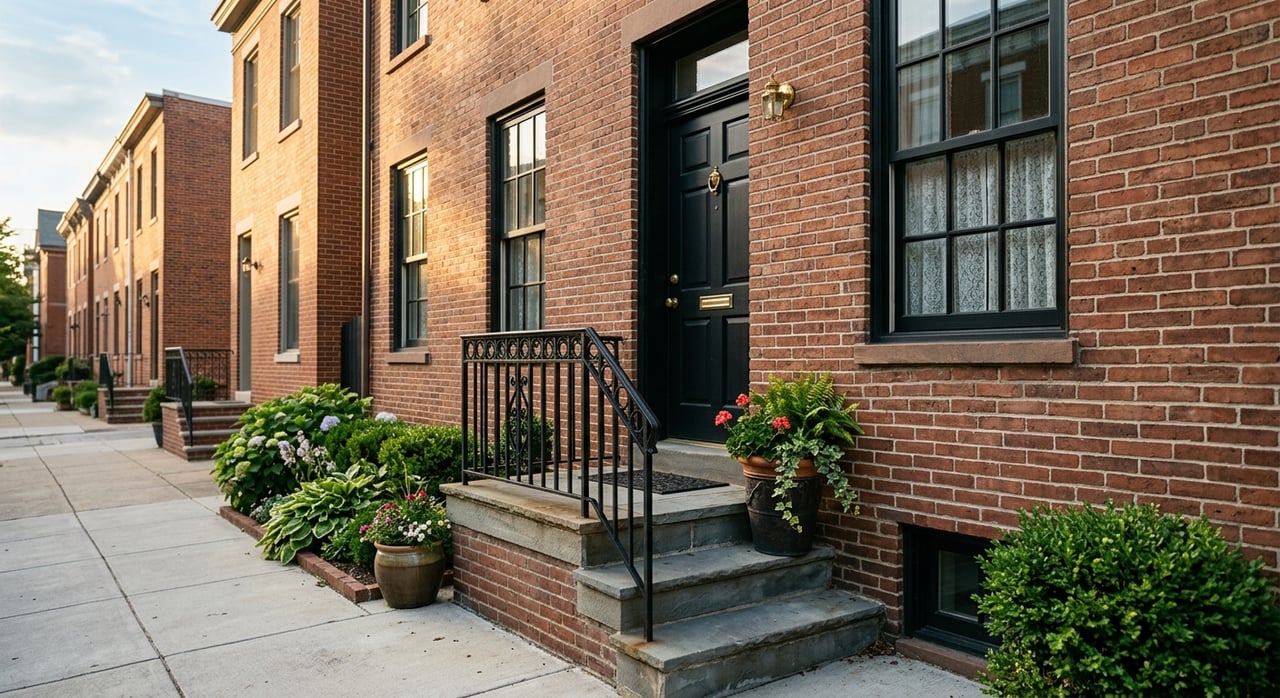
Lawrenceville’s housing fabric is dense, historic, and block-specific. According to the City of Pittsburgh’s District 7 profile, the neighborhood is not one-size-fits-all. The eastern portion includes larger single-family brick homes, while areas closer to Downtown include reclaimed turn-of-the-century row houses and newer townhomes, including around Doughboy Square.
That mix matters when you start comparing listings. A townhome in Lawrenceville may sit on a block with older attached homes built close to the sidewalk, or it may be part of a newer infill development with a different layout and feel. The neighborhood’s National Register nomination describes Lawrenceville as a place of modestly sized, tightly sited buildings with many attached residential and commercial rows, which helps explain why the streetscape feels more urban than many lower-density Pittsburgh neighborhoods.
Know What “Townhome” Really Means
One of the biggest buyer mistakes is assuming that “townhome” describes the legal ownership structure. In Pennsylvania, it often describes the style of the property, not the exact form of ownership. That means two homes that look similar from the street can come with very different rules, responsibilities, and costs.
Before you make an offer, confirm whether the property is fee simple, a condominium, or part of a planned community. The answer should come from the deed and recorded documents, not just the listing description or marketing language.
Fee Simple vs Condo vs Planned Community
If the home is fee simple, you may own the home and land directly, subject to whatever restrictions are recorded against the property. If it is a condominium, ownership and maintenance responsibilities may be divided differently, and shared elements may be governed by condo documents. If it is part of a planned community, there may be an association that owns or manages common features and charges assessments.
Pennsylvania law specifically recognizes that planned communities may include common elements like landscaping, walkways, driveways, walls, fences, monuments, open space, and stormwater facilities. That is important in Lawrenceville, where outdoor areas and shared access can vary widely by block and development.
What You Should Ask Early
Before moving forward, ask clear questions like:
- Do you own the land under the home?
- Are any walls, roofs, yards, patios, or decks shared or limited common elements?
- Is there a homeowners association or condominium association?
- What are the monthly or annual assessments?
- Are there any pending special assessments?
- Is parking deeded, assigned, leased, or street-based?
These answers can shape both your monthly budget and your long-term flexibility.
Review Association Documents Carefully
If the property is a condo or part of a planned community, the documents matter just as much as the floor plan. Pennsylvania requires meaningful disclosure for these ownership structures, and buyers should take full advantage of that information.
For condominium resales, the seller must provide governing documents and a resale certificate with important financial details. That includes monthly assessments, unpaid assessments, other fees, proposed capital expenditures, reserve balances, the current budget, certain judgments or pending suits, insurance coverage, and knowledge of some violations or hazardous conditions.
Focus on Budget, Reserves, and Projects
When you review the paperwork, pay close attention to the association’s financial health. A low monthly fee may sound appealing, but it does not automatically mean the community is well funded. If reserves are thin and a major project is coming, owners may face higher costs later.
Look closely at:
- Current monthly assessments
- Reserve balances
- Planned capital improvements
- Any special assessments
- Pending litigation or claims
- Rules affecting pets, rentals, parking, and exterior changes
This is where careful review can protect you from buying into costs you did not expect.
Parking in Lawrenceville Is a Real Decision Point
In many Lawrenceville purchases, parking is not a small detail. It can be one of the biggest daily lifestyle factors. Because the neighborhood is dense and walkable, parking arrangements can change from one block to the next.
The City of Pittsburgh uses Residential Parking Permit zones to help preserve resident parking near commercial areas. In those zones, residents need permits to park on the street for extended periods, and visitor passes are available. The City also notes that the permit program does not guarantee a parking space.
Butler Street Has Added Parking Considerations
Lawrenceville also includes a Mobility Enhancement District along Butler Street from 34th Street to 46th Street. The City says parking enforcement there runs on weekdays from 6 p.m. to midnight and on weekends from 6 p.m. to 2 a.m., with dynamic pricing of $2.50 during those hours. The City is also evaluating expanded paid parking from 46th Street to 54th Street.
If a listing highlights proximity to Butler Street, make sure you understand how curb access works on that specific block. That can affect both your routine and your guests’ experience.
What to Verify About Parking
Ask these questions before you commit:
- Is there off-street parking?
- Is a garage included?
- Is the parking space deeded or assigned?
- Is street parking the main option?
- Is the property in a residential permit zone?
- How does visitor parking work?
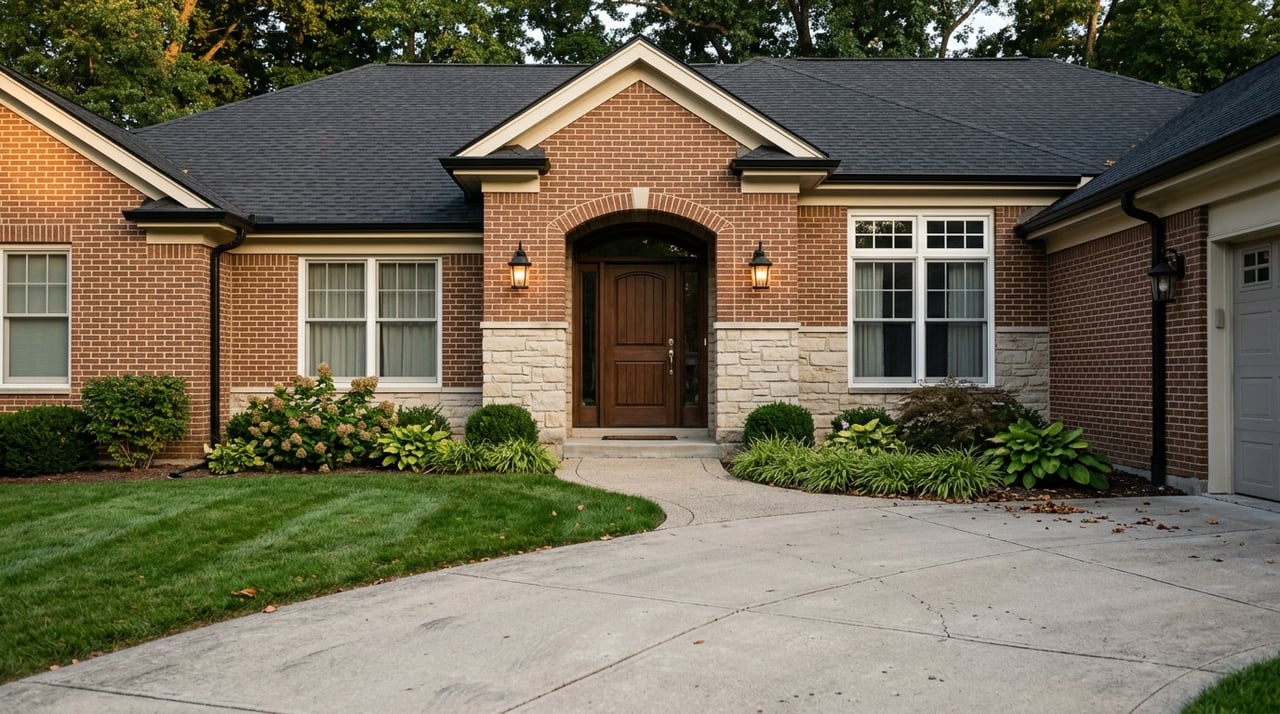
Some newer Lawrenceville townhomes include front-loaded garages, which can simplify parking compared with a classic rowhouse. At the same time, that often signals a newer building type than the surrounding historic housing fabric.
Outdoor Space May Be Limited
If private outdoor space matters to you, do not assume every townhome offers the same setup. Lawrenceville’s historic pattern includes tightly built homes placed close to the sidewalk, so patios, rear yards, roof decks, and porches can be limited or highly variable.
In some cases, outdoor areas may be private. In others, they may be shared or maintained by an association. That is why it is worth confirming exactly what comes with the property and who handles upkeep.
Check These Outdoor Space Details
Before buying, verify:
- Whether there is a porch, patio, roof deck, balcony, or rear yard
- Whether any open space is shared
- Who maintains the space
- Whether association rules limit changes or use
- Whether fencing, planters, or exterior additions need approval
For buyers relocating from lower-density neighborhoods or suburbs, this is often one of the biggest lifestyle adjustments.
Renovation History Deserves Close Attention
Many Lawrenceville homes have been updated, expanded, or reworked over time. That can be a major plus, but it also means buyers should review renovation history carefully. In older attached housing, the quality and legality of past work matter.
The City of Pittsburgh states that residential permits are required for work performed on residential structures, including townhouses that are three stories or less. Some cosmetic finish work generally does not require a permit, such as painting, papering, tiling, carpeting, cabinets, and countertops. But structural changes, load-bearing work, egress changes, and many plumbing, electrical, and mechanical changes do require permits or additional review.
Ask for a Paper Trail
If a home has been renovated, ask for documentation that helps explain what was done and when. This is especially important if the property includes additions, roof decks, major system upgrades, or significant layout changes.
Useful items to request include:
- Permit records
- Contractor invoices
- Plans for additions or roof decks
- Roof and window history
- Electrical upgrade information
- HVAC replacement or installation records
- Any approvals tied to shared walls, shared exteriors, or common areas
Pittsburgh also notes that plumbing permits and plumbing regulations are handled by the Allegheny County Health Department rather than Pittsburgh’s PLI office. That makes it even more important to confirm the right approvals were obtained when plumbing work was part of a renovation.
Historic Status Is Parcel-Specific
Lawrenceville’s historic identity is a big part of its appeal, but buyers should be careful not to overgeneralize. The neighborhood’s National Register listing does not by itself create the same local review requirements for all private property owners. The City has stated that the National Register listing has no effect on private property owners.
However, some individual Lawrenceville properties are locally designated landmarks, and those can come with different review requirements. The key takeaway is simple: do not assume every address in Lawrenceville is treated the same.
Why This Matters for Future Plans
If a property is in a City-designated historic district or is otherwise locally designated, exterior work may require Historic Review Commission approval through OneStopPGH. The City also notes that exterior painting on locally designated historic structures or in locally designated historic districts requires a Certificate of Appropriateness.
If you are hoping to change windows, repaint exterior masonry elements, alter a facade, add a deck, or modify the roofline, parcel-specific review is essential. This is one of those details that can affect your budget, timing, and renovation plans.
Make Sure the Home Fits Your Lifestyle
A Lawrenceville townhome can be a great fit if you want a dense, pedestrian-oriented urban setting with easy access to the city. But it is smart to weigh that lifestyle against the practical tradeoffs. In this neighborhood, those tradeoffs often include less private outdoor space and more parking complexity than you might find in lower-density parts of Pittsburgh.
That does not make one choice better than another. It simply means the right townhome is the one that matches how you actually live. If you work odd hours, host often, need dedicated parking, or want easy outdoor upkeep, those details should be part of your decision from day one.
A Smart Buyer Checklist
If you want a simple way to evaluate a Lawrenceville townhome, start here:
- Confirm the ownership structure
- Review condo or HOA documents in full
- Check monthly dues, reserves, and special assessments
- Verify what is included with the home, land, roof, parking, and outdoor space
- Understand parking rules on that specific block
- Review renovation and permit history
- Check for parcel-specific historic designation or review requirements
- Compare the property’s layout and upkeep needs to your day-to-day lifestyle
When you work through these items early, you can make a stronger, more informed decision and avoid surprises after closing.
If you are weighing townhome options in Lawrenceville and want clear, practical guidance through the details, Melissa Dunham can help you evaluate the property, the documents, and the block so you can move forward with confidence.
FAQs
What should I verify before buying a townhome in Lawrenceville?
- Confirm the ownership structure, review any association documents, understand parking and outdoor space, and check permit and renovation history.
What does “townhome” mean in Lawrenceville real estate listings?
- In Lawrenceville, “townhome” usually describes the style of the home, not necessarily whether it is fee simple, a condominium, or part of a planned community.
How does parking work for townhomes in Lawrenceville?
- Parking can be deeded, assigned, garage-based, permit-based, or street-only, depending on the property and block, and some areas are affected by residential permit rules or Butler Street paid parking conditions.
Are Lawrenceville townhomes part of an HOA or condo association?
- Some are, and some are not, so you should verify whether an association exists, what it maintains, what it charges, and whether any special assessments or major projects are pending.
Do renovated townhomes in Lawrenceville always have permits?
- Not automatically, which is why buyers should ask for permit records and supporting documentation for structural, electrical, mechanical, plumbing, and exterior work.
Do historic rules apply to every townhome in Lawrenceville?
- No, because Lawrenceville’s National Register status does not create the same local review requirements for every property, so buyers should check the specific parcel before planning exterior changes.