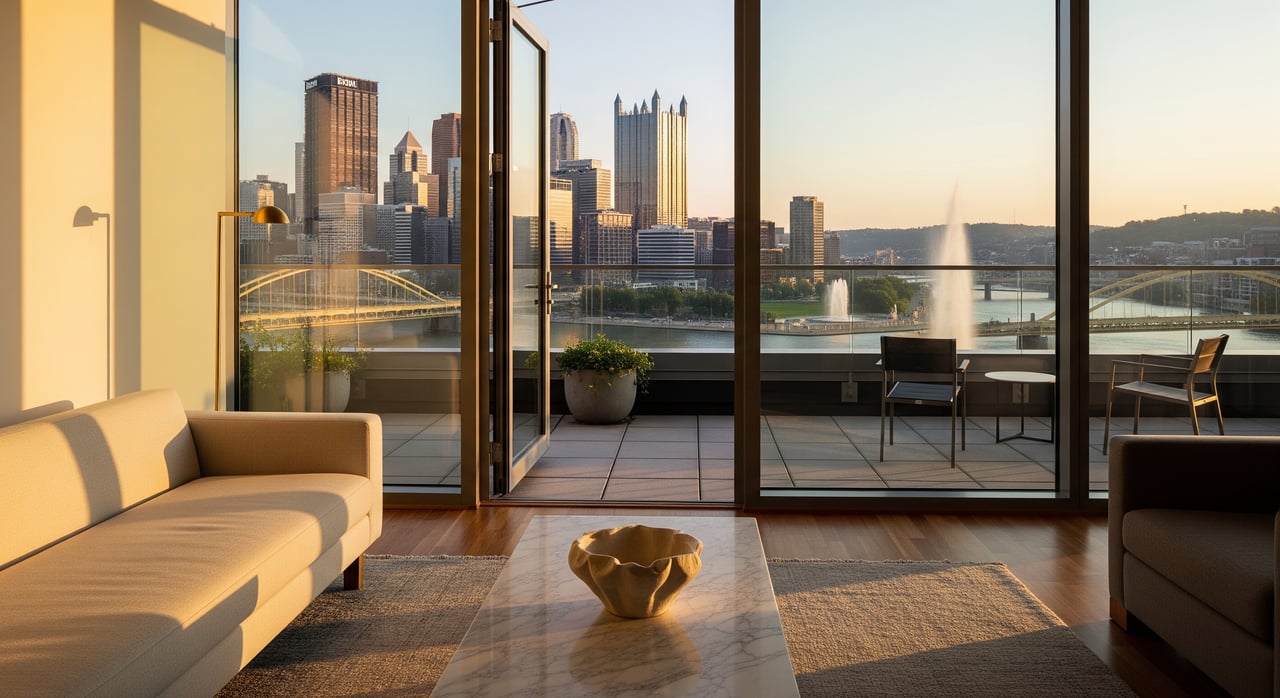
What does a day in Downtown Pittsburgh actually feel like? Picture coffee in Market Square, a short walk to work, a sunset jog along the river trail, and a concert or game within minutes of your front door. If that rhythm appeals to you, you will want a clear, practical look at housing options, daily conveniences, and the tradeoffs that come with city-center living. This guide breaks it down so you can decide if the Central Business District fits your lifestyle and goals. Let’s dive in.
Downtown Pittsburgh at a glance
Downtown, also called the Central Business District, is the city’s institutional and cultural core. You have theaters, major employers, sports venues, and riverfront parks in a compact footprint. The area is busiest on weekdays when commuters arrive, while the residential population remains smaller than many other neighborhoods.
Many residents are young professionals, singles, and empty-nesters who value walkability and low-maintenance living. You also see students and faculty connected to nearby universities, though most full-time students live outside the core. Families with school-aged children often choose adjacent neighborhoods with more single-family homes and schools.
Housing and the market
Common home types
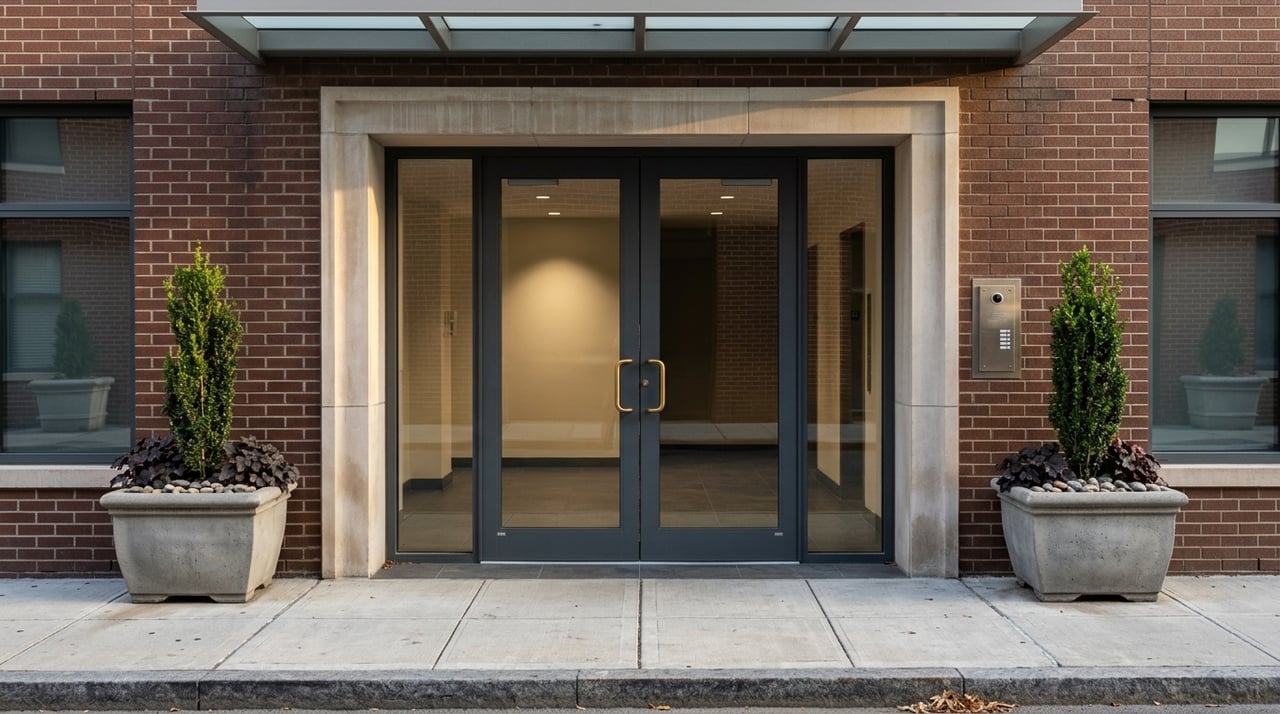
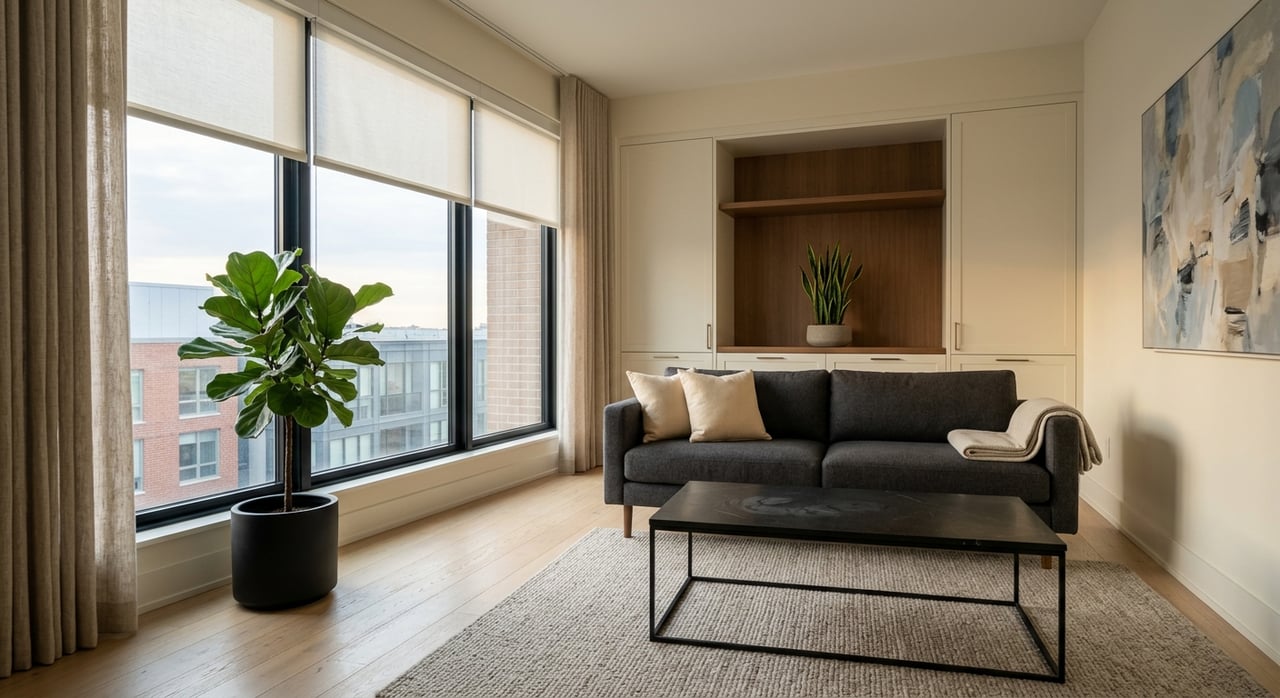
- Condominiums in high-rise and mid-rise buildings, from modern towers to historic conversions.
- Loft-style units created from former offices and industrial buildings.
- New-construction apartments and mixed-use conversions that add more rental options.
- Townhomes are uncommon within the strict Downtown footprint; you will find them more often just outside the core.
Ownership vs. rental
Downtown leans rental-heavy, with a growing but smaller pool of condos for purchase. Inventory is tighter than in many suburban areas, partly because there are fewer single-family homes and a limited number of resale condos at any given time.
Market dynamics to watch
Post-pandemic office vacancies encouraged some office-to-residential conversions and life-science reuse. Local reporting and planning discussions note that more downtown housing is a priority to support after-hours activity. At the same time, some office space remains underused, so you should expect an evolving mix of residential and commercial over the next few years.
Budgeting for ownership costs
- HOA and condo fees: Many Downtown buildings include notable monthly fees that may cover utilities, shared amenities, maintenance, and sometimes parking. These fees affect your monthly budget and loan qualification.
- Special assessments: In older conversion buildings, review association financials and recent projects to understand any upcoming capital needs.
- Parking: On-site parking can be limited or priced separately. Compare units that include a dedicated space with those that rely on monthly garage rentals.
Resale considerations
Resale volume is thinner downtown than in single-family neighborhoods. If you plan to sell later, expect that marketing to the right lifestyle buyer and competitive pricing will matter. Units with natural light, in-building amenities, or included parking often stand out.
Day-to-day life and amenities
Dining and nightlife
Market Square, the Cultural District, and the waterfront offer a dense mix of restaurants, cafes, and bars. You will find everything from quick lunch spots to chef-driven dining. Many residents combine Downtown options with nearby neighborhoods like the Strip District and Lawrenceville for even more variety.
Arts and sports
The Cultural District hosts theaters, galleries, and frequent performances curated by local arts organizations. PNC Park, Acrisure Stadium, and PPG Paints Arena sit on or near Downtown’s edges, bringing game-day energy and big events. Seasonal festivals, markets, and holiday celebrations keep the calendar active year-round.
Parks and trails
Point State Park anchors the neighborhood with sweeping river views and a fountain at the confluence. The Three Rivers Heritage Trail lines the Allegheny and Monongahela, giving you scenic running, cycling, and even commute routes. Smaller plazas like Market Square and nearby Mellon Square add green space and outdoor seating.
Groceries and services
Downtown grocery and pharmacy options exist, but large-format supermarkets are limited inside the core. Many residents make quick trips to the Strip District, East Liberty, Shadyside, or the South Side for bigger weekly shops. You will find routine services such as dry cleaners, salons, banks, and urgent care, though wider retail choices sit in nearby commercial corridors.
Health care and education
Major hospital systems and medical offices are within a short commute, which is a plus for healthcare workers and anyone who wants quick access to specialists. K–12 public schools are limited inside the Central Business District. Families often look to adjacent neighborhoods for a broader set of school options.
Getting around
Walkability and bikes
Downtown scores high for walkability. Many people walk to work and run most errands on foot. Riverfront trails and some on-street bike lanes make bike commuting feasible, although winter weather can change your routine.
Transit and commuting
Port Authority buses connect Downtown to neighborhoods and suburbs across the metro. The T light rail links South Hills and Downtown via the tunnel, and park-and-ride options support riders from farther out. Inclines connect Mount Washington to river-level stations. If you drive, interstate access is strong, but bridges and key corridors can back up during peak hours.
Car ownership and parking
Living Downtown can make car ownership optional if your work, errands, and social life are close by. If you keep a car, factor in monthly garage rates, building policies on parking, and winter conditions. Some condos include an assigned space, while others rely on nearby garages or private lots.
Event nights and congestion
Sports and major performances bring crowds and energy. They can also slow traffic and fill garages quickly. On those days, plan extra time for travel and consider walking, transit, or ride-hailing for convenience.
Pros and tradeoffs
What you may love
- Exceptional walkability to work, restaurants, theaters, and parks.
- Short or no commute for many jobs in and around the core.
- A lively calendar of performances, games, and seasonal events.
- Riverfront scenery and trails within minutes of most buildings.
What to weigh
- Limited single-family homes and fewer K–12 options inside the CBD.
- Parking constraints and potential monthly garage costs.
- Event-related noise and congestion on select evenings and weekends.
- HOA or condo fees and potential assessments in some buildings.
- Fewer large-format grocery options within the strict Downtown boundaries.
Is Downtown a fit for you?
Downtown is a strong match if you want convenience, culture, and a lock-and-leave lifestyle more than a large home footprint. It suits professionals, childfree couples, and many empty-nesters who like dining out and attending performances.
You might prefer an adjacent neighborhood if you want a single-family home, yard space, or a wider range of nearby schools. Shoppers who want big-box retail close at hand may also find better fits just outside the core.
Quick checklist before you buy or rent Downtown
- Commute: Can you walk or take the T or bus to work most days? If you drive, what is your peak-hour route?
- Parking: Is a space included, rentable on-site, or only available in a nearby garage? What is the monthly cost and access policy?
- HOA and reserves: What do fees cover? Are there upcoming capital projects or assessments?
- Building history: How old is the building and what recent upgrades or repairs were completed?
- Groceries and services: Where will you do weekly shopping, and how will you handle bulk items?
- Noise and event calendar: How close are you to stadiums or venues, and does that align with your routine?
- Storage and layout: Does the unit offer storage for bikes or seasonal items? Is the layout flexible for work-from-home?
What is changing next
Expect continued office-to-residential conversions as Downtown evolves. City planning and transportation updates may add bike lanes, pedestrian improvements, or transit adjustments. Stadium schedules and festivals will keep shaping when the core feels busiest. If you are timing a purchase, watch how new buildings, amenity packages, and residential inventory come online over the next 12 to 24 months.
Thinking about a move or a pied-à-terre in the Cultural District? Get clear, data-informed guidance on buildings, fees, parking, and resale dynamics with a conversation tailored to your goals. Connect with Melissa Dunham to map your next steps.
FAQs
How walkable is Downtown Pittsburgh?
- Downtown is highly walkable, with most workplaces, restaurants, parks, and venues within a short walk for many residents.
What are typical home prices and rents in Downtown Pittsburgh?
- Prices and rents vary by building, size, finishes, and parking; check current snapshots and recent sales before touring since figures can change quickly.
Are there grocery stores in Downtown Pittsburgh?
- You can find smaller markets and convenience options in the core, while many residents do larger grocery runs in nearby districts like the Strip District.
Is parking included with Downtown Pittsburgh condos or apartments?
- Some units include an assigned space, but many charge extra or rely on nearby garages, so confirm availability and monthly costs up front.
What is the commute like from Downtown Pittsburgh to other areas?
- Many Downtown residents walk, bike, or take transit, while drivers enjoy strong highway access that can slow during peak hours and event nights.
Is Downtown Pittsburgh safe for walking at night?
- Safety varies by block and time; stick to well-lit areas, be mindful of events, and review recent city police statistics for current trends.
What schools serve Downtown Pittsburgh residents?
- K–12 options are limited within the CBD; many families choose adjacent neighborhoods and consult district boundary maps for specific assignments.
How does Downtown compare to nearby neighborhoods?
- Downtown offers the most walk-to-everything lifestyle, while nearby areas can provide more single-family homes, different price tiers, and additional school choices.