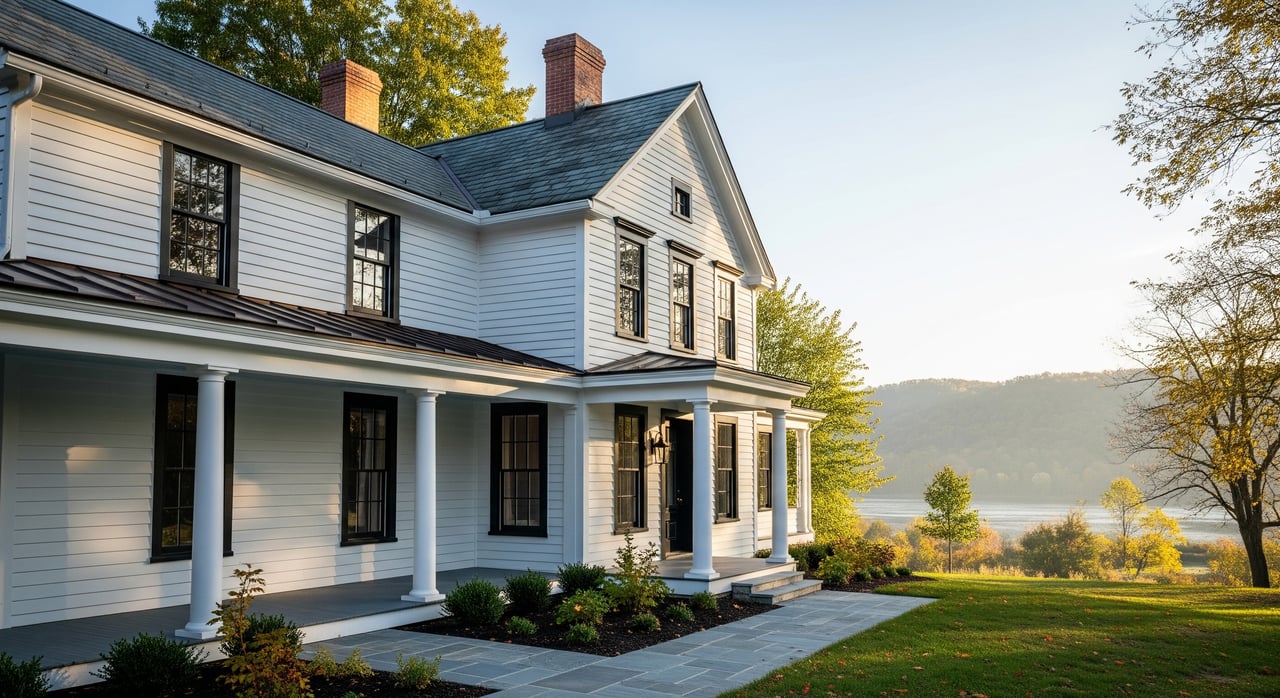
Thinking about buying in Lawrenceville, Tioga County? A home inspection can feel like a big unknown, especially with older homes, row-style properties, and condo conversions in the borough core. You want to avoid costly surprises and make smart decisions with confidence. In this guide, you’ll learn what inspectors actually review, which local issues to watch, typical timelines and costs, and how to use results to negotiate. Let’s dive in.
What a home inspection includes
A standard home inspection is a visual, non-invasive review of installed, accessible components at the time of inspection. Inspectors follow national standards of practice that keep the scope consistent and clear.
Standard scope
- Structural components such as visible framing and foundation
- Roof surface, flashing, and drainage
- Exterior elements including siding, porches, decks, and steps
- Electrical system basics, including service panel and visible wiring
- Plumbing supply and drain lines, fixtures, and water heater
- Heating system and visible fuel lines; basic operation check
- Interior walls, ceilings, floors, doors, and windows
- Insulation, ventilation, and attic where accessible
- Attached garage and door operation
What is not covered
- Hidden or inaccessible areas behind walls and below finishes
- Code compliance reviews or detailed engineering analysis
- Exact repair cost estimates
- Full-building systems for condos or common elements in attached homes
If you are buying a condo, your inspector will focus on the unit interior and visible connections to common systems. You should review association documents for building-level maintenance, reserves, and planned work.
Lawrenceville homes: local watch-outs
Lawrenceville is a small, older Pennsylvania borough with housing that often dates from the late 19th to mid-20th century. Expect masonry or stone foundations, wood-frame construction, original porches, and older interior finishes like plaster and hardwood floors. These features bring charm, and they also bring age-related maintenance to evaluate closely.
Cold winters and freeze-thaw cycles in northern Pennsylvania can stress building systems. Inspectors commonly look for:
- Ice dam risk, attic ventilation issues, and aged roof shingles
- Freeze-related plumbing concerns and exterior heaving
- Masonry deterioration, cracked chimneys, and mortar loss
- Drainage problems from clogged or poorly pitched gutters
Large street trees are an asset for shade and character, but root systems can impact sewer laterals and foundations. Ask about the condition of the sewer line and whether a scope is advisable.
Utilities and systems to verify
- Water and sewer: Some properties tie into municipal service, while others use private wells or septic systems. Confirm connections and who maintains the sewer lateral.
- Heating: Older homes may have oil-fired or gas boilers, gas furnaces, or electric resistance heat. Inspectors will note age, condition, and service needs.
- Electrical: Older wiring types, fuses, or ungrounded outlets are possible. Verify the presence of upgrades and required safety devices like GFCIs in wet areas.
- Potential hazards: For pre-1978 homes, lead-based paint may be present. Older materials can include asbestos in pipe insulation or floor tiles. Specialized testing is separate from a general inspection.
Row homes and condos
Attached homes may have shared roof drains, party walls, and flashing details where units meet. Inspectors watch for water management at these junctions. For condos, your unit inspection will not cover the roof, exterior envelope, or central boilers that serve multiple units. Request condominium documents, reserve studies, recent meeting minutes, and financials to understand building-level condition and funding.
Timeline and scheduling
Most buyers have a 5 to 14 day inspection contingency after offer acceptance. In a smaller market like Lawrenceville, you can usually schedule an inspector within 1 to 7 days.
- On-site time: 2 to 3 hours for most single-family or row homes; 1 to 1.5 hours for many condo units
- Report delivery: Often the same day or within 24 to 72 hours
- Specialty tests: Radon monitors must run for at least 48 hours. Water testing and sewer scopes typically return results in 24 to 72 hours, depending on the provider.
Book your general inspection immediately after your offer is accepted. Ask your inspector in advance which add-ons they recommend so your contingency window covers all testing.
Costs and add-ons
Pricing varies by property size, complexity, and travel distance. Older or larger homes cost more to inspect, and rush scheduling can add fees.
- Basic home inspection: typically $300 to $600
- Radon testing: about $100 to $200
- Sewer lateral camera scope: about $150 to $400
- Well-water sampling and lab testing: about $100 to $300, depending on the panel
- Chimney inspection: about $100 to $300
- Pest inspection: about $75 to $200
- Lead or asbestos sampling: about $50 to $200 per sample, plus lab fees
If the property uses a private well or septic, budget for water quality tests and a septic or sewer inspection. For homes with older chimneys, add a chimney evaluation to verify flue condition.
Common findings and what they mean
Older Lawrenceville homes often show expected wear that you can plan for and negotiate around. Your inspector may flag:
- Roof and gutters: aged shingles, failed flashing, clogged or mis-pitched gutters
- Foundation moisture: mortar loss, hairline cracks, efflorescence, and signs of prior water entry
- Plumbing: galvanized or aging supply lines, corroded drain lines, or older water heaters nearing end of life
- Electrical: ungrounded outlets, older panels or knob-and-tube wiring, lack of GFCI protection
- Heating: older boilers or furnaces, venting concerns, or missing service records
- Insulation and ventilation: insufficient attic insulation or poor ventilation that can lead to ice dams
- Porches and steps: rot at posts, sagging stairs, or failing porch roof flashing
- Windows and doors: single-pane windows, rotted frames, or failed seals
- Interior finishes: plaster cracks, uneven floors, or wear that may indicate larger issues underneath
- Environmental risks: possible lead paint, asbestos in older materials, and localized mold where moisture is present
Focus first on safety and major structural or mechanical issues. Cosmetic items and normal wear are lower priority unless they suggest a larger concern.
Optional tests to consider
Radon and water quality can vary by property. In and around Lawrenceville’s older housing, these add-ons are common and useful:
- Radon testing: Short-term continuous monitor for at least 48 hours
- Sewer or septic inspection: Camera scope to confirm lateral condition and identify root intrusion or breaks
- Well-water testing: Bacteria, nitrates, lead, and other contaminants if on a private well
- Chimney inspection: Level-2 evaluation for flue integrity and safety
- Pest inspection: Wood-destroying insects, especially in older wood structures
- Lead or asbestos sampling: Certified specialists collect samples where suspected
For condos, confirm what the HOA is responsible for and ask whether recent studies or assessments address building-level risks.
How to use results to negotiate
Your inspection gives you leverage and clarity. Depending on your contract and market conditions, you can:
- Request seller repairs with clear scopes and licensed contractors
- Ask for a price reduction or closing credit to cover repairs
- Arrange an escrow holdback to fund work after closing
- Require receipts, permits when applicable, and a re-inspection to verify completion
- Walk away within the contingency if issues are unacceptable
In a small-town market, be realistic about what sellers can achieve before closing. If needed, support your request with contractor estimates so both sides can agree on fair numbers.
Bring in specialists when the report suggests structural movement, major foundation cracks, suspected hazardous materials, or marginal sewer conditions. A structural engineer or certified environmental pro can provide the detail you need to finalize negotiations.
Choose the right inspector
The right inspector blends training, insurance, clear reporting, and local experience with older Pennsylvania construction.
Look for:
- Membership in a national organization such as ASHI or InterNACHI
- Proof of errors and omissions insurance
- A sample report with photos and prioritized findings
- Experience with older homes in northeastern Pennsylvania
- Solid references and a communication style that fits you
Questions to ask before hiring:
- What standards of practice do you follow?
- Do you carry errors and omissions insurance, and what is the limit?
- What is included in the base inspection, and what are the add-on fees?
- Can you coordinate radon testing or a sewer scope?
- When will I receive the written report, and will it include photos?
Pennsylvania’s requirements for home inspectors can change. Verify credentials and ask about any local or municipal requirements for smoke and carbon monoxide detectors.
Simple inspection-day checklist
- Book your general inspection as soon as your offer is accepted.
- Add radon, sewer scope, well-water, chimney, or pest tests as needed.
- Plan to attend the inspection to see issues firsthand and ask questions.
- Bring a notepad and list of your concerns for the inspector to review.
- Confirm report delivery timing so you can keep your contingency on track.
Put your results to work
A thorough inspection helps you prioritize safety, budget for big items, and negotiate with confidence. If you want a calm, strategic partner to guide you through the process and help you line up the right tests and contractors, connect with Melissa Dunham. Schedule a Consultation and move forward with clarity.
FAQs
What does a Lawrenceville home inspection include?
- A visual, non-invasive review of accessible systems and components like roof, structure, electrical, plumbing, heating, interior, and ventilation, with a written report of findings.
How long is the inspection contingency in small Pennsylvania markets?
- Many contracts allow 5 to 14 days. Plan early so specialty tests like radon or water quality fit within your window.
Should I test for radon in older Lawrenceville homes?
- Yes, consider a short-term radon test that runs at least 48 hours. It is a common add-on in the region and provides valuable safety information.
How are condo inspections different in Lawrenceville borough?
- Your inspector focuses on the unit interior. Building systems and common elements fall under the HOA, so review association documents and reserve studies for building-level condition.
Who pays for inspection repairs in Pennsylvania?
- It depends on negotiation. You can request seller repairs, a credit, or a price reduction. The outcome varies by contract terms and the seller’s willingness.
How much should I budget for inspections and tests?
- Plan for $300 to $600 for a basic inspection, plus add-ons like $100 to $200 for radon, $150 to $400 for a sewer scope, and $100 to $300 for well-water testing.
Can I walk away if the inspection reveals major issues?
- If your contingency allows, you can terminate. Work with your agent to review deadlines and deliver any required notices on time.